A Familiar Face, A Massive Task — Jim Furyk Takes the Reins for Team USA’s 2027 Ryder Cup Redemption
- Young Horn

- Apr 25
- 3 min read
The Ryder Cup has always been about pride, legacy, and pressure unlike anything else in golf, and now Jim Furyk is back in the spotlight. Named captain of Team USA for the 2027 matches at Adare Manor in Ireland, Furyk steps into one of the most scrutinized roles in sports with one clear mission: stop the bleeding.
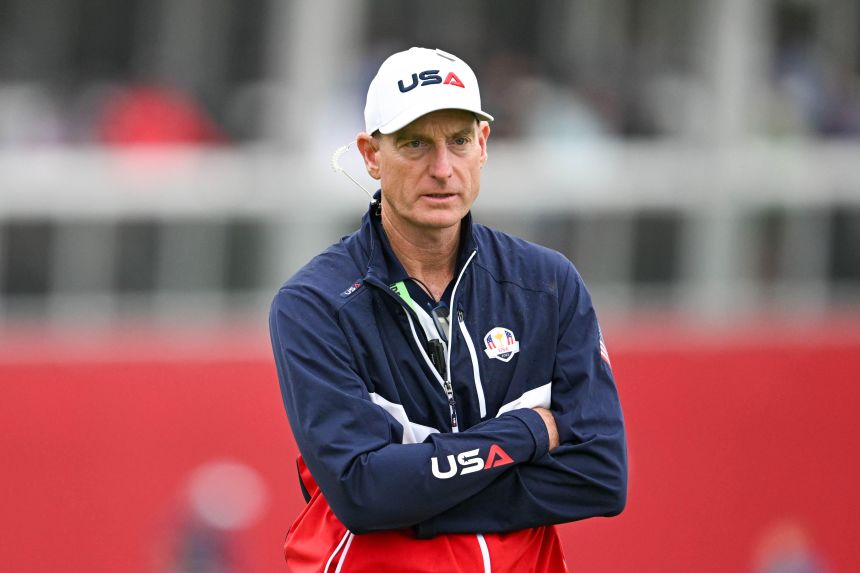
Furyk is no stranger to this stage. A 17-time PGA Tour winner and former U.S. Open champion, he has been part of the Ryder Cup ecosystem for nearly three decades—as a player, vice captain, and captain. This will be his second time leading Team USA after captaining the disastrous 2018 loss in Paris, a result that still lingers in the minds of American golf fans. But the decision to bring him back isn’t about nostalgia—it’s about experience, continuity, and trust within a system that desperately needs stability.
And make no mistake, Team USA needs fixing. The Americans have now lost the last two Ryder Cups and continue to struggle mightily on European soil, where they haven’t won since 1993. Europe, led again by Luke Donald, is aiming for a historic three-peat after dominating the modern era, winning 11 of the last 15 competitions. The gap isn’t just talent—it’s culture, preparation, and cohesion.
That’s where Furyk’s biggest challenge lies. For years, Team USA has relied on assembling the most talented roster on paper, hoping individual greatness translates to team success. Europe, on the other hand, has built a machine—chemistry-driven pairings, data-backed strategies, and a unified identity. Critics have pointed out that until the U.S. adopts a more structured, analytical approach, they’ll continue to fall short.
So what needs to change before 2027?
First, team chemistry has to become a priority, not an afterthought. The days of simply picking the “best 12 players” need to evolve into building the right 12 players. Ryder Cup success is about partnerships—guys who genuinely want to play together, trust each other, and elevate their games in alternate shot and fourball formats. Europe has mastered this; the U.S. has lagged behind.
Second, leadership continuity and accountability must improve. The constant turnover in captains and philosophies has hurt Team USA’s ability to establish a long-term identity. Furyk, having been embedded in the system for years, offers a chance to create that continuity—but only if the PGA of America fully commits to a consistent vision rather than short-term fixes.
Third, course setup and strategy need a complete overhaul. European teams have historically tailored courses to their strengths—tight fairways, penal rough, and conditions that reward precision over power. The U.S. must not only prepare for that reality but embrace it. Winning in Europe requires adaptability, patience, and a willingness to grind.
Finally, the mentality has to shift. The Ryder Cup isn’t just another tournament—it’s emotional, hostile, and deeply personal, especially overseas. The American team must embrace that intensity instead of being rattled by it. Furyk, known for his calm demeanor and steady leadership, may be exactly the type of personality needed to reset that mindset.
The road ahead won’t be easy. Ireland will be loud, hostile, and fully behind a European squad that has owned this rivalry for decades. But if there’s one thing Furyk brings, it’s perspective. He’s seen the highs, lived the lows, and understands what this event demands.
Now, he gets one more shot to rewrite his Ryder Cup legacy—and potentially restore American pride on one of golf’s biggest stages.


Comments